Budapest baths: why first-timers feel overwhelmed
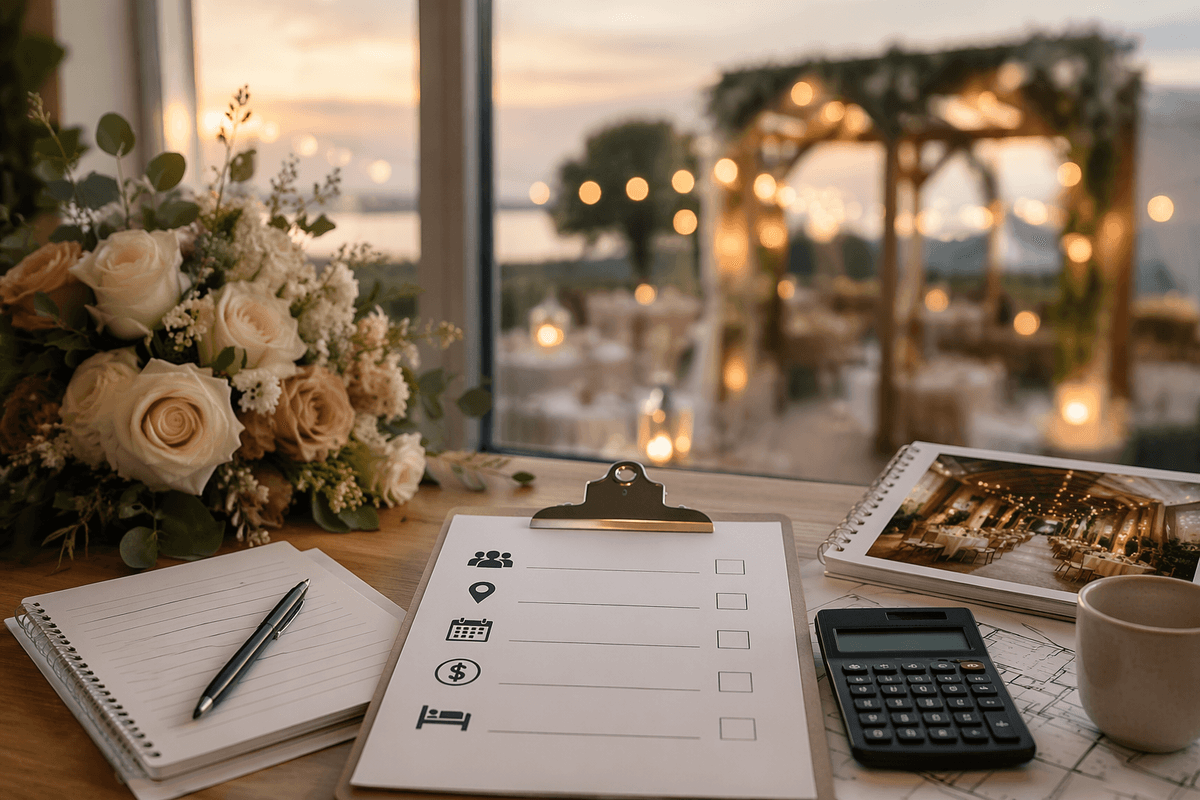
I hesitated at the edge of the planning rabbit hole: one bath is “the iconic one,” another is “better at night,” a third is “more local,” and suddenly you’re comparing opening hours, renovations, and whether you’ll be sharing a pool with a bachelor party. For a 3–4 day trip, that choice feels heavier than it should, because picking wrong doesn’t just mean a meh soak—it can mean burning a prime afternoon on transit, lockers, and queues.
What overwhelms first-timers isn’t the concept of thermal baths, it’s the mismatch between expectations and logistics. The famous spots can be spectacular and still feel like an amusement park at peak times; the quieter ones can be more restorative but less “Budapest postcard.” Add in practical curveballs—cashless wristbands, cabin vs locker decisions, swimsuit rules, outdoor vs indoor temperature swings—and you’re making a dozen micro-decisions while half-dressed and mildly dehydrated.
Then there’s vibe whiplash: some baths are social and loud by design, others reward patience and slow laps, and a few change character by time of day (or by single-sex vs co-ed hours). The good news is you don’t need the “best” bath—you need the one that fits your energy, your tolerance for crowds, and how much of your trip you’re willing to spend waiting to relax.
How to choose: vibe, pools, location, crowd
I found the decision got easier the moment I stopped asking “which is best?” and started ranking what I actually wanted that day: iconic atmosphere, serious soaking, or an efficient two-hour reset. If your priority is the classic Budapest postcard and you don’t mind background noise, you’re implicitly choosing a place that behaves like an attraction at certain hours. If you want quiet, you’re choosing a bath where the architecture might be less dramatic—or where you’ll need to plan around specific time slots.
Think in four filters. Vibe: social/outdoor energy versus hush-and-steam; some places skew chatty, others feel closer to a spa day. Pools: do you care about variety (multiple temperatures, outdoor options) or just one great thermal pool and a sauna circuit? More pools can be fun, but it also means more walking around in wet flip-flops and more decision fatigue. Location: pick something that sits naturally inside your route—crossing the city just to soak can quietly eat half a day. Crowd tolerance: if you hate lines, avoid mid-day weekends and aim for first entry or a later-evening window, when the same bath can feel like a different place.
Best thermal baths for first-time visitors, matched to styles
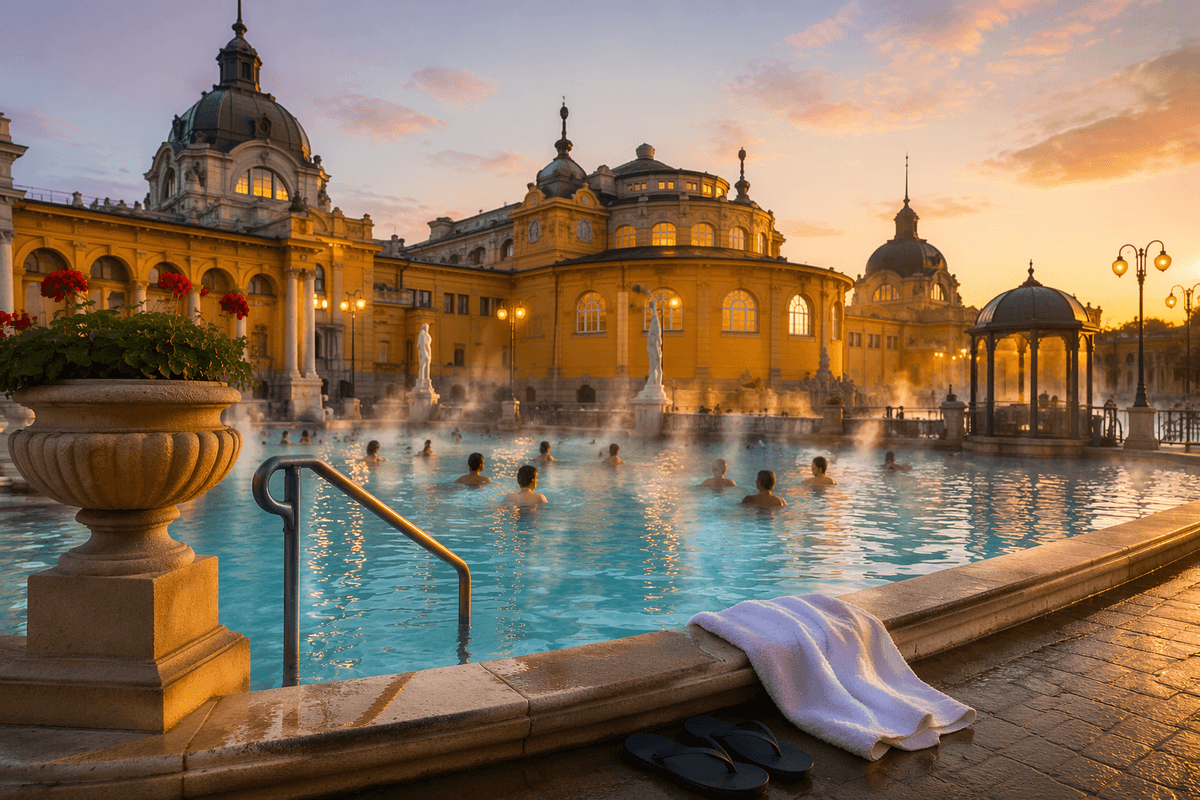
The first time I tried to “just pop into” Széchenyi, it was the ticket line—not the water—that decided my schedule. If you want the classic outdoor-yellow-palace scene and you’re okay with a lively, sightseeing energy, Széchenyi is the obvious pick, but treat it like a major attraction: arrive at opening or go late afternoon on a weekday, and consider reserving ahead so you’re not spending your best Budapest light staring at a queue. The payoff is variety (outdoor pools, lots of corners to roam); the cost is that quiet soaking can be hard to find when groups roll through.
If your style is “architecture first, soak second,” Gellért feels more curated and photogenic indoors—stained glass, tiled halls, the kind of place where you’ll slow down without trying. It can also feel more structured: fewer sprawling choices than Széchenyi, and the experience is less about bouncing between pools and more about settling in. Price can run higher, and it’s not immune to crowds, but it tends to read as calmer because the energy is less party-coded.
For a more local-leaning reset, Lukács is the one I’d choose when I wanted to actually hear my own thoughts—stronger “regulars” vibe, less postcard pressure, and usually less chaos at the entrance. The trade is that it’s not the bath you pick for your first iconic photo. And if timing matters to you, Rudas is the wildcard: it can be beautifully atmospheric, especially later in the day, but it’s the one where you need to check the schedule carefully because the experience changes depending on co-ed versus single-sex hours (and that can be the difference between a perfect evening soak and showing up to the wrong session).
First-visit essentials: tickets, timing, etiquette, what to pack
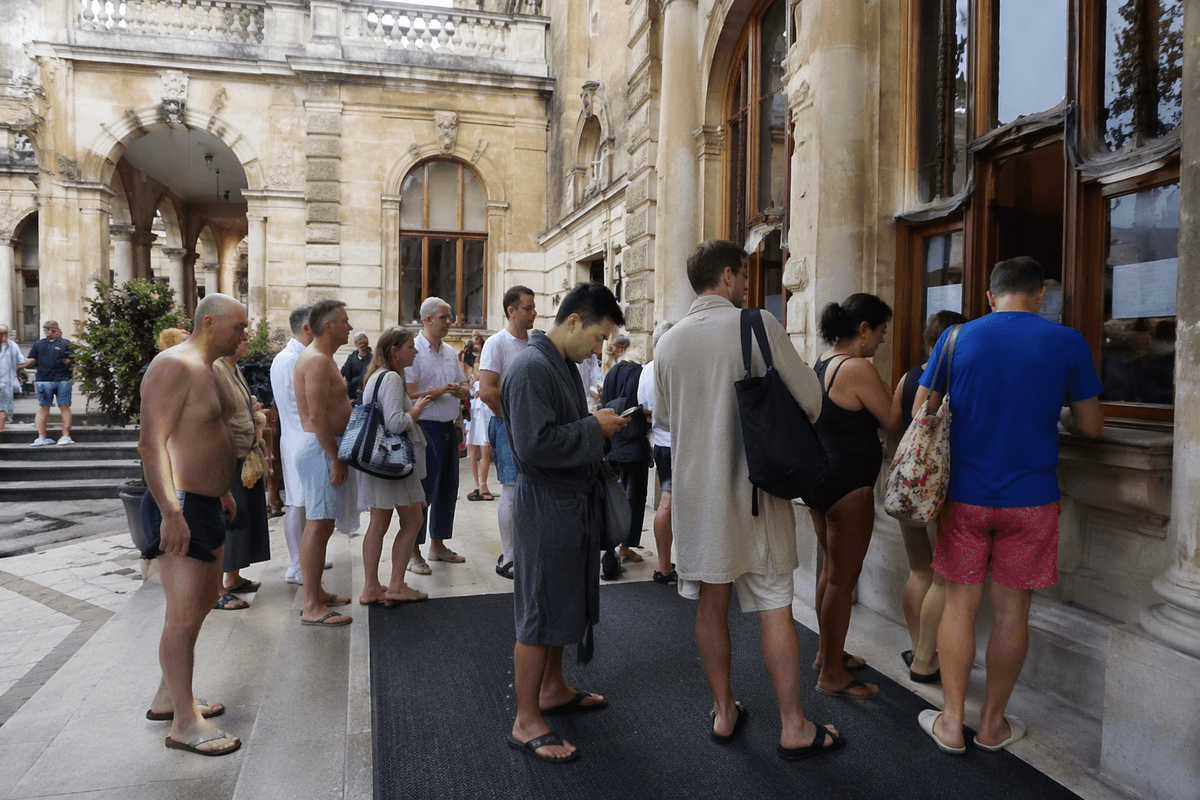
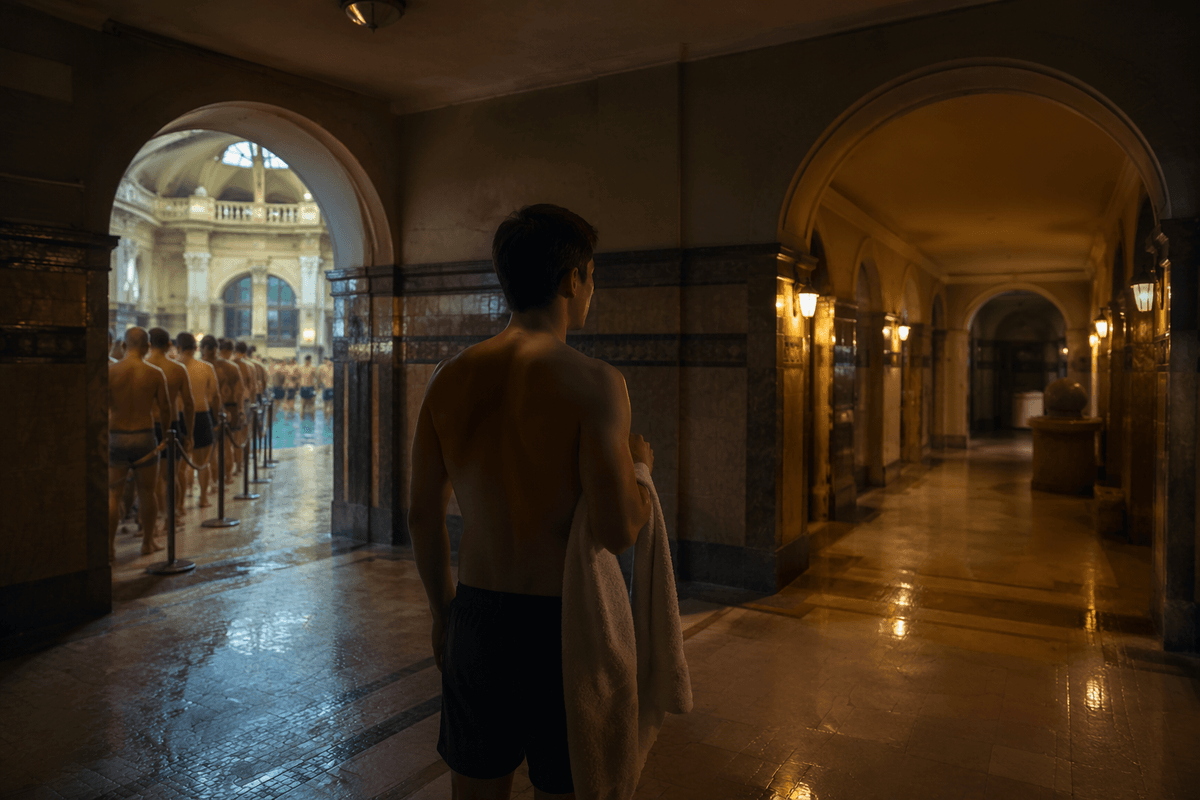
I learned quickly that the “bath day” doesn’t start at the pool—it starts at the entrance. If you show up mid-day on a weekend and hope to buy a ticket on the spot, you’re gambling with your schedule. For headline baths, booking ahead (or at least arriving right at opening) is the simplest way to protect your afternoon; late afternoon on a weekday can also work, but only if you’re okay with a busier, more social feel. If you’re trying to fit a bath into a 3–4 day trip without it taking over, plan a tight two-hour window and treat anything beyond that as a bonus, not a promise.
Inside, the logistics are small but relentless: you’ll usually choose between a locker or a private cabin, and cabins are more comfortable when you’re changing slowly or carrying more stuff—but they cost more and can sell out at peak times. Bring a swimsuit you can actually move in (not just pose in), flip-flops for wet tiles, and a towel you don’t mind hauling back slightly damp. A swim cap is rarely the make-or-break item, but it can matter if you plan on proper laps in a swimming pool, so check the specific bath’s pool rules if that’s your goal.
Etiquette is mostly about not being the loudest person in the hottest room: keep voices down in saunas/steam, rinse before pools when showers are provided, and don’t assume every space is co-ed all day—Rudas-style schedules can flip the whole experience. Also: hydrate before you go. The heat hits harder than you think, and realizing that 40 minutes in is a frustrating way to shorten what should’ve been the easiest part of your trip.
Your ideal bath plan: pick one “must” and enjoy
Standing outside with damp hair and that pleasantly tired heat in your shoulders, it becomes obvious: the best plan is committing to one “must” bath, not collecting them like stamps. If you want the classic Budapest postcard, pick Széchenyi and protect it with an opening-time arrival or a booked slot; if you want atmosphere without the theme-park hum, aim your “must” at Gellért or a well-timed Rudas session. Trying to squeeze in three usually turns the baths into logistics.
If you have room for a second visit, make it the opposite energy—a quieter soak like Lukács after a big sightseeing day—otherwise stop at one and let it be a highlight, not a project. The real win is leaving time for dinner, a walk, and not feeling like you spent your city break waiting to relax.