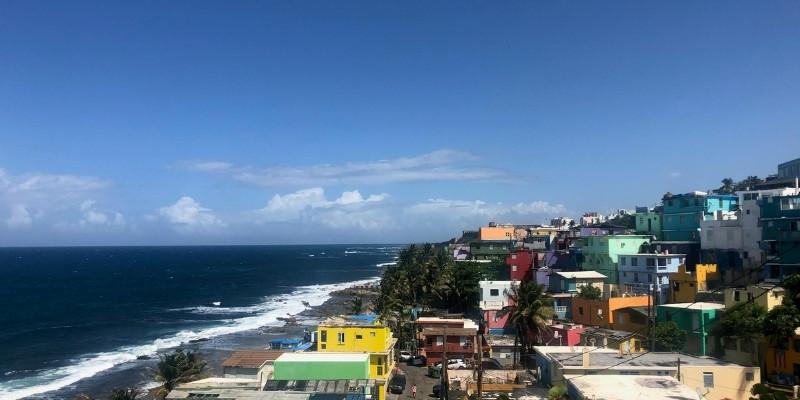
Planning a trip to Puerto Rico often starts with a search for the best sand, but the island operates on a much deeper frequency than just its shoreline. For those working in the travel industry, the challenge is often helping visitors move past the resort gates to find the "Boricua" spirit. This isn't just a marketing term; it is a lived identity that blends Taino, Spanish, and African roots. When you land at Luis Muñoz Marín International Airport, the humidity hits first, followed quickly by the sound of salsa or reggaeton. To truly see the island, you have to understand how these cultural layers settle over the landscape.
Navigating the Historical Pulse of Old San Juan
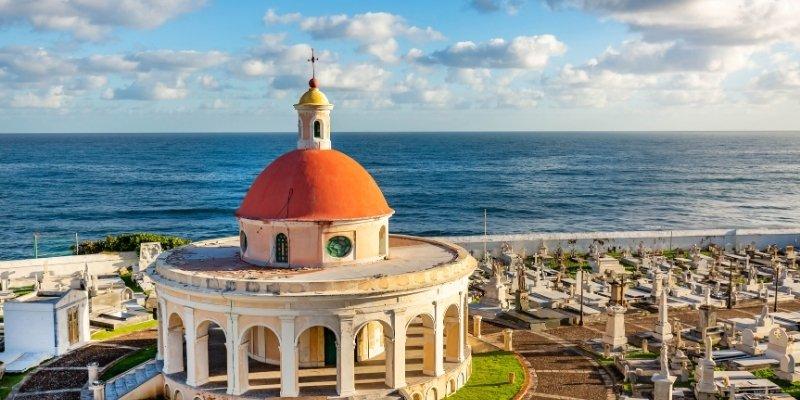
Walking the blue cobblestones of Old San Juan feels like a lesson in endurance. These streets were designed for horses and soldiers, not modern rental cars. One common mistake visitors make is trying to drive into the old city on a weekend afternoon. The narrow alleys turn into a gridlock of residents and tourists, making parking nearly impossible. Instead, park in a garage near the cruise piers and walk up toward the forts. Castillo San Felipe del Morro is the famous one, but Castillo San Cristóbal is actually larger and usually less crowded. It provides a better look at the complex engineering used to protect the Spanish empire.
Beyond the stone walls, the culture is found in the small "panaderías" or bakeries. A local agent will tell you that the best way to start a day is with a "mallorca" and a "café con leche." These spots are the community hubs where people discuss politics and the latest news. It solves the problem of overpriced hotel breakfasts while offering a genuine slice of daily life. However, keep in mind that many smaller businesses in the mountains or rural coastal towns may still prefer cash or ATH Movil over credit cards, even though San Juan is largely digital.
The Afro-Caribbean Roots of the Eastern Shore
Moving east from the capital leads to Loíza and Piñones, areas that represent the heart of Puerto Rico’s African heritage. This isn't the manicured Caribbean experience found in luxury brochures. In Piñones, the air smells like woodsmoke and frying oil from the "chinchorros" or roadside kiosks. People gather here on Sundays to eat "alcapurrias" and "bacalaítos." For a traveler, this area provides an essential counter-narrative to the colonial history of the old city. It is where you see the influence of "Bomba," a traditional dance where the drummer follows the dancer’s movements, rather than the other way around.
Safety and local etiquette matter here. While the kiosks are welcoming, the coastal road is narrow and gets packed with families and bicycles on weekends. If you are looking for a quiet beach day, Piñones might feel too chaotic. However, if you want to understand the island's soul, you stay for the music. The limitation to consider is that many of these beaches have strong riptides. Unlike the protected bays in the south, the north coast faces the open Atlantic. Always look for where the locals are swimming; if the water looks empty, there is usually a reason involving a dangerous current.
Coastal Escapes and the West Coast Surf Rhythm
The western side of the island, specifically Rincón, offers a completely different tempo. Known as the surfing capital of the Caribbean, Rincón lives by the swell. From November to March, the town swells with professional surfers chasing massive winter waves. If you aren't there to surf, the logistics can be tricky. Restaurants fill up fast, and the vibe is more "California-meets-Caribbean" than the traditional feel of the mountains. But for those seeking a sunset that feels like a religious experience, there is nowhere better.
Further south lies Cabo Rojo, home to Playa Sucia and the Los Morrillos Lighthouse. This is where the landscape shifts to salt flats and dramatic limestone cliffs. The "problem" with Cabo Rojo is its accessibility. It’s a long drive from San Juan, and the road to the lighthouse is unpaved and riddled with potholes that can swallow a small sedan. Travel planners often recommend renting a vehicle with high clearance if you intend to explore this region. The payoff is a beach that looks like a crescent of white marble against turquoise water, far from the high-rise hotels of Isla Verde.
Island Living in Vieques and Culebra
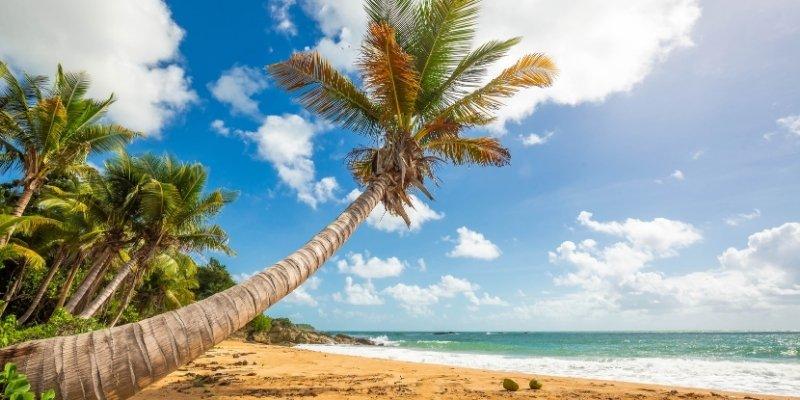
The offshore islands of Vieques and Culebra are often treated as day trips, but that is a logistical error. The ferry system from Ceiba is notoriously unpredictable. Tickets often sell out weeks in advance for weekends, and residents always get priority. For a traveler, this can mean getting stranded at the pier if the schedule changes due to weather or mechanical issues. Booking a small hopper flight from Isla Grande airport is a more expensive but far more reliable way to ensure you actually see the white sands of Flamenco Beach or the glowing waters of Mosquito Bay.
Vieques is famous for its bioluminescent bay, which is technically the brightest in the world. However, the experience depends entirely on the lunar cycle. Seeing the water glow during a full moon is nearly impossible because the light pollution from the sky washes out the dinoflagellates. A seasoned traveler checks the moon phase before even booking their flights. These islands also have a history with the U.S. Navy, and while much of the land is now a national wildlife refuge, there are still restricted areas. Understanding this tension helps a visitor appreciate the locals' fierce protection of their land and sea.
The Balance of Tradition and Modernity
A trip to Puerto Rico is rarely just about checking boxes on a map. It is a lesson in how a community maintains its soul despite the constant pressures of modernization and tourism. You see it in the way a grandmother teaches her grandkids to make "pasteles" during the holidays, or in the meticulous care a surfer takes with their board in Rincón. The island is small enough to drive across in a few hours, but the variations in dialect, food, and music make it feel like an entire continent. For those who work in the travel sector, the goal is always to move the traveler from being a passive observer to an active participant in this local rhythm.