Travel can be amazing, but also tricky. Knowing what not to do is as important as knowing where to go. Avoid common pitfalls like financial losses, safety risks, and cultural blunders. The guide is designed to assist both amateurs and professionals in navigating their way through obstacles, making them smarter, safer, and more confident in their travel experience.
Flash Expensive Items or Large Amounts of Cash

When you show that you are wealthy, then immediately, pickpockets, scammers, and other thieves set their eyes on you. Do not carry jewelry, watches, and electronics when sightseeing in densely populated places and places where you have no idea of what lies ahead.
Retailers should not have to carry big bundles of cash, but rather mix cash, checks, money orders, and debit cards. Created small bills to spend daily and keep large sums of money in a money belt or pocket. That is why you could consider buying prepaid travel cards or inform your bank 30 days ago that you are going abroad, and make sure that your debit card and credit cards will work there. When using costly instruments for photography, always keep an eye on your surroundings and make sure to store the equipment away immediately after use.
Ignore Local Customs and Cultural Norms
Each destination is bound to have its own cultural expectations because failing to meet these requirements may result in embarrassing moments or even some prosecution. Find out the fundamental etiquette before your arrival, including proper dress code, tipping customs, and social addicts.
The dress codes of religious locations tend to be zero-tolerant. This necessitates covered shoulders, long-sleeve pants, and the removal of shoes or hats for many of them. Certain nations have specific regulations concerning the open expression of affection, and capturing images of particular structures and individuals.
Learning a few basic phrases in the local language shows respect and often leads to warmer interactions with locals. Simple greetings, "please," "thank you," and "excuse me" can make a significant difference in how you're received.
Leave Your Accommodation Without Backup Plans
When you independently make a discovery that can be an astounding experience, there can be no second choice, and you are stuck. Always have the address of your hotel in the local language with you, along with significant phone numbers and a map of the immediate area.
The internet access does not have a dependable relationship; you can download a map offline to your phone before going anywhere. Airport security personnel noted that children often have limited local currency when traveling back to their accommodations, even if they are using ride-sharing apps or public transportation.
Send a friend or one of your relatives your daily timetable, particularly when you are alone. This is a minimum undertaking that gives us the relief of the heavy burden of the weight of the world and assures that someone knows where you are, except the extremists.
Neglect Travel Insurance
Anyone may get involved in a medical emergency, a cancelled trip, or lost luggage. Travel insurance covers your losses that might be disastrous in terms of a few thousand dollars.
Read the policy to know the coverage. The standard stand-alone policies typically cover medical expenses, trip cancellation, and lost baggage; the expanded coverage plans tend to include adventure activities, electronic coverage, and trip cancellation due to a wide range of eventualities.
Most credit card companies provide partial travel insurance; however, the benefit is usually limited and may not offer sufficient coverage if you intend to travel internationally or even cover certain activities you are willing to participate in.
Drink Tap Water Without Researching Safety
There are drastic differences in the level of water quality between the destinations, and water-related diseases have the potential to spoil a trip. The best thing to do is to research water safety in your destination before going there and, in case of uncertainty, use bottled water.
Watch ice cubes, raw food, waves, and drinks sold by street vendors. Even flossing with tap water can result in troublesome areas. It is possible to take tablets to purify water or use a small water filtration device in places where bottled water is expensive or where there are environmental issues.
Share Too Much Personal Information on Social Media
Telling the world your exact whereabouts and the type of travels to make evokes vigilantism among the possible criminals and, in addition, gives them instant information on where you are. Leave the detailed ones to do it once you are back home, or even go to your next destination.
The process of geotagging photos may reveal specific locations, such as your hotel or accommodation. Stop location services on social media applications, or delete the location data first when posting. Consider using social media scheduling tools to help manage content while traveling, so that it gives the impression that you are at home.
Trust Unofficial Tour Guides or Taxi Drivers Completely
Although several unofficial guides and drivers are honest, some others may exploit tourists by overcharging them, directing them to go out of their way, or even to places where they have their own commission.
Always negotiate ahead about prices and preferably write them down. Ride taxis, ride-sharing apps, or use previously set transport through your hotel, as much as possible. In case approached by unofficial guides, decline politely or ask to ascertain their qualifications. A legitimate tour guide typically exercises an ID and official licensure by the local tourism boards.
Pack Everything in One Bag
Having everything locked in one suitcase not only poses tremendous inconveniences if the bag is lost, stolen, or delayed, but also causes inconvenience—Inoculate necessities in many bags, such as carry-on baggage.
Pack at least one complete outfit, medications, important documents, and basic toiletries in your carry-on bag. This ensures you can function for several days even if your checked luggage goes missing. Consider packing one half of a couple's belongings in each other's suitcases, so both people have access to clothes and essentials regardless of which bag arrives first.
Ignore Local Transportation Etiquette
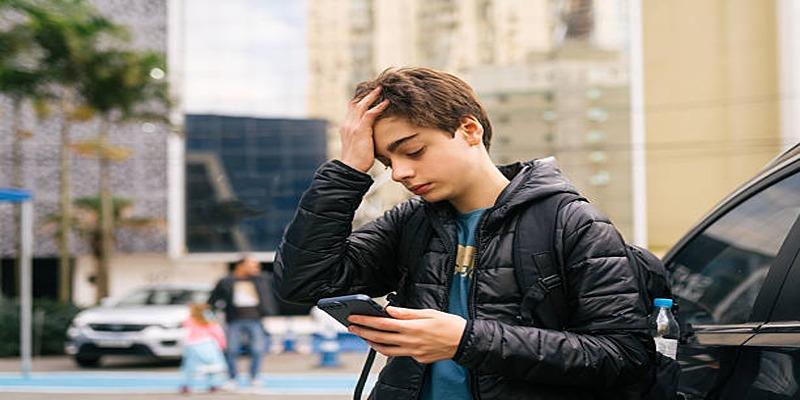
Rules present in public transportation systems are not documented; instead, they follow common sense as observed by the locals. Wait and watch, then lead the example of the other passengers to avoid embarrassment.
Get some rudimentary rules on how to use the transportation facilities you will use. Certain cultures will place a higher priority on seating elderly passengers, whereas others will have regulations regarding eating, the use of mobile phones, and playing music. Strategize how to get goods transportation and payment systems ahead of time. Certain cities have specific applications that are used for public transport, bike sharing, or ride-hailing services, which are not offered in other cities.
Assume Everyone Speaks English
Although English is ubiquitous in tourist locations, the assumption that all people know it well may cause misunderstandings and lost relationships. Trying to speak the local language, even at the simplest level, represents a sign of respect, and it may lead to providing a more appropriate service and satisfying the relationships.
Install translation software, which can be used when you are offline, and train key phrases in case of an emergency, directions, and necessities. Take a small phrase book as a backup later, or have them write down the key words. When English is required, use simple, direct language and be patient with individuals who are attempting to assist you in their non-native language.
Conclusion
Avoiding these common mistakes can transform your travel from stressful to spectacular. Prepare, be aware, and respect local cultures. Every traveler makes mistakes; these often become the best stories. It is not about perfection, but about responsible travel, staying safe, and being open to new experiences. Check this list the next time you go out. Some preparation will guarantee good, favorable memories.