Why taro can surprise people watching glucose
Sometimes it’s the same meal you’ve eaten before, but this time you notice that familiar heaviness behind the eyes or a sudden need to sit down a couple hours later. Taro can catch people off guard like that, especially when it shows up as a “vegetable side” that doesn’t feel as starchy as rice or bread.
What’s happening underneath is often about speed. Once taro is cooked, its starch becomes easier for digestive enzymes to break apart. That can mean glucose enters the bloodstream sooner than you expected, even if the serving looks modest. The surprise is worse when you’re not sure how it was prepared.
When taro is eaten alone or in a dish that’s mostly soft starch, the rise may feel sharper. If your numbers don’t match what you assumed, it can be a cue to look more closely at the portion and the cooking style next time.
Starch granules, gelatinization, and faster absorption
You might notice it most when the taro is very tender—easy to cut with a fork, almost creamy at the center. That softness can feel reassuring, but it often lines up with a quicker rise afterward, even when the plate doesn’t look particularly “carby.”
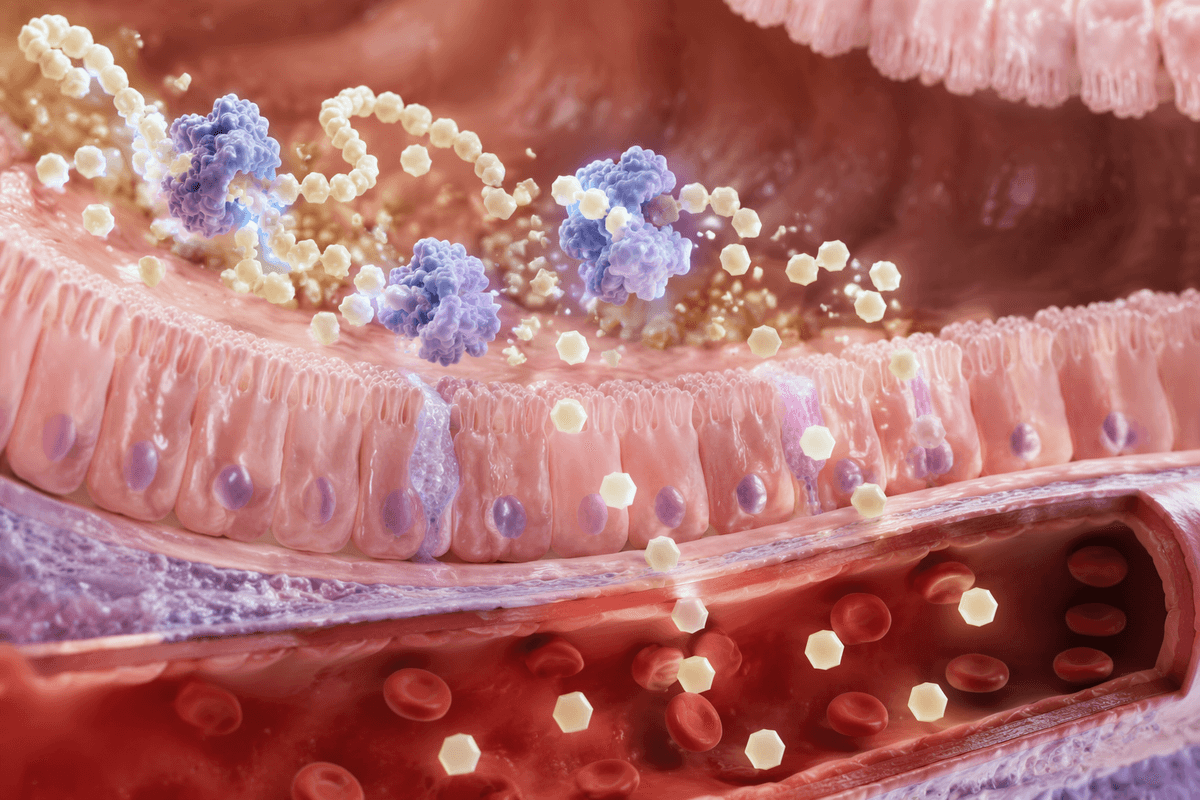
Part of the reason is what heat and water do to starch. Raw taro starch sits in tight granules that digestive enzymes don’t access as easily. As taro cooks, those granules swell and loosen (gelatinize), and starch molecules become more exposed. In some cases, that shift lets enzymes break the starch down faster in the small intestine, so glucose can show up in the bloodstream sooner and in a more noticeable wave.
This doesn’t always play out the same way from meal to meal. The same taro can gelatinize differently depending on how long it was cooked, how much moisture it absorbed, and whether it stayed intact or started to fall apart—small differences that can create inconsistent post-meal numbers that feel hard to predict.
Portion size matters because glycemic load compounds
It can feel like the numbers “shouldn’t be that high” because the taro didn’t look like much—especially when it’s cut into chunks, tucked under sauce, or shared family-style. That’s where portion size quietly does more work than people expect, and it’s easy to misread what counts as a serving.
Even when the starch is breaking down at the same pace, a bigger portion means more total starch entering digestion. In practical terms, that’s the idea behind glycemic load: not just how fast glucose arrives, but how much potential glucose the meal can deliver. When the amount goes up, the rise may go higher, and it may also last longer.
This can show up as inconsistency—half a bowl of taro soup feels manageable one day, but a larger bowl (with more pieces than you noticed) creates a heavier post-meal stretch. If it keeps happening, it may be worth treating “how much” as a separate variable from “how it was cooked.”
Mashing and pureeing create a hidden speed boost
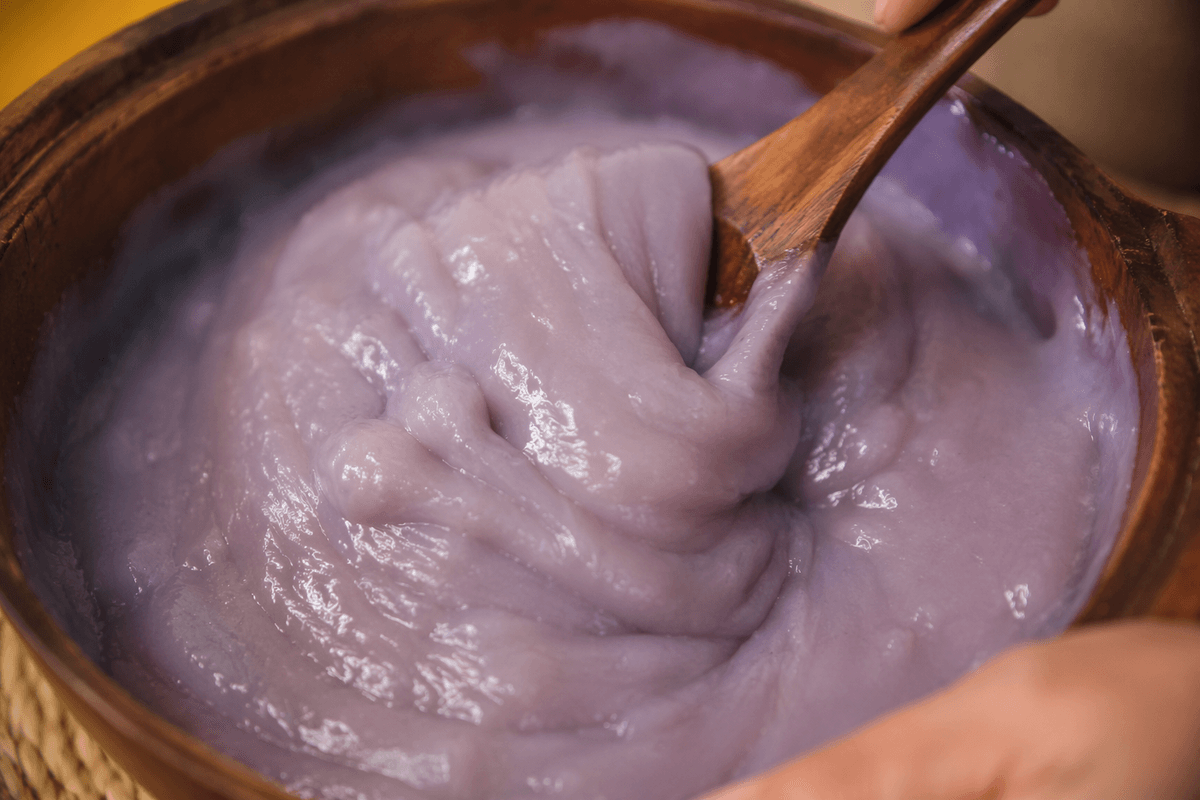
It often feels different when the taro isn’t in pieces anymore—like poi, a thick taro soup, or a mash that slides down quickly without much chewing. People sometimes assume that “soft” just means “easy on the stomach,” then get an unexpectedly brisk rise afterward.
When taro is mashed or pureed, the structure that slows digestion gets disrupted. More starch is exposed on the surface, and digestive enzymes have easier access compared with intact chunks where some starch is still tucked inside cell walls. With fewer firm edges to work through, the meal can move from mouth to stomach with less chewing, which in some cases shortens the time it takes for carbohydrates to become available for absorption.
A bowl of the same soup can hit differently depending on how broken-down the taro is that day, even when the portion looks unchanged.
Cooling and reheating shifts resistant starch levels
It’s noticeable when the leftovers taste a little firmer the next day, even if they were cooked until very soft the night before. Some people expect reheating to “reset” taro back to the same effect as fresh, then feel confused when the post-meal rise seems a bit less sharp—or, just as often, not much different at all.
Cooling can change what the starch is doing. As cooked taro sits, some starch molecules can realign into a tighter form that digestive enzymes don’t break down as quickly (often described as resistant starch). That shift may slow how fast glucose becomes available in the small intestine. But it’s not a guarantee: how long it cooled, how it was stored, and whether it was reheated gently or thoroughly can all change how much of that “resistant” structure remains.
A cold taro salad, a reheated stew, and a freshly boiled side may start from the same root, but digestion can move at different speeds depending on what the starch did after it cooled.
Frying, baking, and soups change the net effect
You can sometimes tell it’s going to land differently just by the first bite. A crisp edge from frying, a dry baked interior, or a bowl of broth that goes down fast can all feel like “the same taro,” yet the after-meal pattern doesn’t always match.
Frying often adds fat and creates a firmer outer layer, which may slow stomach emptying and delay when starch reaches the small intestine. But it’s an uncomfortable trade-off: fried pieces are easy to keep eating, so the total starch can climb without you noticing. Baking can dry taro out and leave it dense, yet the starch is still gelatinized, and a larger baked portion can still push a longer rise.
If the taro has simmered until it’s breaking down, the liquid can carry dispersed starch, and the meal may move through with less chewing. When your numbers seem “too high for a soup,” it may be because the texture quietly did some of the digestion work already.
Pairings and personal variability shape real outcomes
It’s often the “same” taro, but the rest of the plate changes—grilled fish one night, sweet sauce and a soft drink the next—and your meter doesn’t respond like it’s reading the same meal. That mismatch can be uncomfortable, especially when you were trying to keep everything familiar.
Part of the swing is what taro is traveling with. Protein, fat, and fibrous vegetables can slow stomach emptying, so starch reaches the small intestine more gradually and glucose may rise in a lower, longer curve. But a sugary sauce, juice, or dessert can stack fast carbohydrates on top of taro’s starch, creating a sharper peak even when the taro portion didn’t change.
There’s also personal variability: sleep, stress, recent activity, hydration, and medications can shift insulin sensitivity and liver glucose release from one day to the next. If a pattern keeps repeating, it may be worth treating taro as “one variable,” not the whole story.