Home cooking can make you manage fresh foods and balanced foods and portions. But most of the myths related to healthy cooking may misguide even a person with years of experience in cooking. This paper will reveal pulp fiction uncovered on seven myths, why they are inaccurate and what can be done to improve them. Learn to find helpful ideas to make your meals faster and healthier but not to succumb to old notion.
Don’t Let These 7 Healthy Cooking Myths Ruin Your Meals

Placing healthy preparation to the food does not necessarily require being complex or limiting but is simple to falter or believe in misinformation constantly pitching one towards the incorrect path. So skipping vital fats and over cooking your vegetables are some of the main problems that are ruining your food.
Myth 1: Cooking Vegetables Always Destroys Nutrients
It is agreeable that there are vitamins that are heat-sensitive, but this does not always imply that all the nutrients are destroyed after cooking vegetables. Cooking techniques, such as steaming, roasting or stir-frying tend to preserve or rather improve some nutrients. This can be illustrated by tomatoes, which increase in the level of lycopene under cooking. When heating, spinach and carrots also increase in the amount of some antioxidants.
The trick in it is to select the appropriate method of cooking. Vitamins such as vitamin C are readily soluble in water and are best preserved by steaming and microwaving. Avoid heavy fatty cooking; use just a small amount of healthy oil, as it helps your body absorb fat-soluble vitamins such as A, D, E, and K. Thus we should not fear the stove but then use the low cooking techniques that do not destroy nutrients.
Myth 2: When Cooking Healthily, You Should Be Away of Fats
It is believed that in order to be healthy, one has to eat fat-free. Although excess fat is bad, getting rid of fats entirely is not a wise decision. Your body requires healthy fats in its energy, hormone balance and absorption of nutrients. The trick is in the selection of the correct kind of fats.
Olive oil, avocado oil, nuts, seeds and fatty fish are some of the healthy alternatives. These foods are also sources of unsaturated fats which are healthy to the heart. Conversely, there should be no trans fats or highly processed oils. Otherwise, you should not be scared of fats, but should you rather only add small portions of healthy oils in your meals. Your food is nutritious just by pouring a drizzle of olive oil over some vegetables you have roasted or adding nuts to your salad.
Myth 3: Fresh Bags are healthier than frozen vegetables
Fresh vegetable is mostly praised as opposed to frozen vegetable yet it does not mean frozen vegetables are not as healthy. As a matter of fact, most vegetables that are frozen are harvested when at their optimum ripeness, thus generating the preservation of nutrients. However, fresh produce can also lose the vitamins during storage and transporting.
Frozen vegetables are a safe and cost-efficient alternative in a location, where there is poor access to fresh vegetables due to their seasonality or cost. They can be used to make easy meals, and it will prevent wastage of food as you are only required to use what is necessary. The most practical way of doing is to have large quantities of fresh and frozen vegetables in your kitchen and cook them as per your cooking requirements.
Myth 4: Adding More Salt Makes Food Unhealthy
Salt tends to be the problem that causes rather than health problems and thus moderation is the key. Sodium is one of the requirements of your body. When the amount people add to it becomes excessively large, the health problems undergo exposure to high blood pressure, and other health hazards.
Healthy cooking does not entail no use of salt. Rather, emphasize on portion control and flavor balancing. My favorite flavor enhancers are herbs, spices, garlic, and citrus juices without so much use of salt. It is a case when a sprinkle of salt added after cooking the dishes may make the dishes delicious and the sodium levels can be controlled.
Microwave 5: Microwaving Food Makes it Less Nutritious
Microwaves have unfairly earned the name as destroyers of nutrients. The truth is that microwaving can be considered one of the most effective methods of preserving vitamins and minerals since this method of cooking food is fast and relatively consumes minimal amounts of water. Waste of time Consumes a lot of time on a stove or in an oven where eventually most nutrient is lost.
Whenever you employ a microwave, ensure that you have short cooking times and also prevent overcooking. The microwave cooking of vegetables in bare minimum of water aids in preserving nutrients, color and taste of the vegetable. Microwaving is not a bad thing; on the contrary it is a clever way to prepare fast healthy food.
Myth 6: Whole Grains Are Too Retarded to Cook
Most individuals do not use whole grains since they think that these products entail too much time. Although it is certain that some grains such as brown rice or barley require more time than white rice, there are those that can be selected faster. Quinoa, bulgur and rolled oats can be cooked within minutes and they have the same health benefits like those of slower grains.
Another solution is the preparation of bigger batches ahead. One thing you can do on the weekend to save on weekday use is to make a whole grains pot in the refrigerator and use all week. In this manner a healthy base of salads, stir-fries or breakfast bowls is always prepared. The benefits of choosing whole grains over refined grains are that they contain fiber, vitamins and minerals the refined grains do not.
Myth 7: Healthy Significant meals should be complex
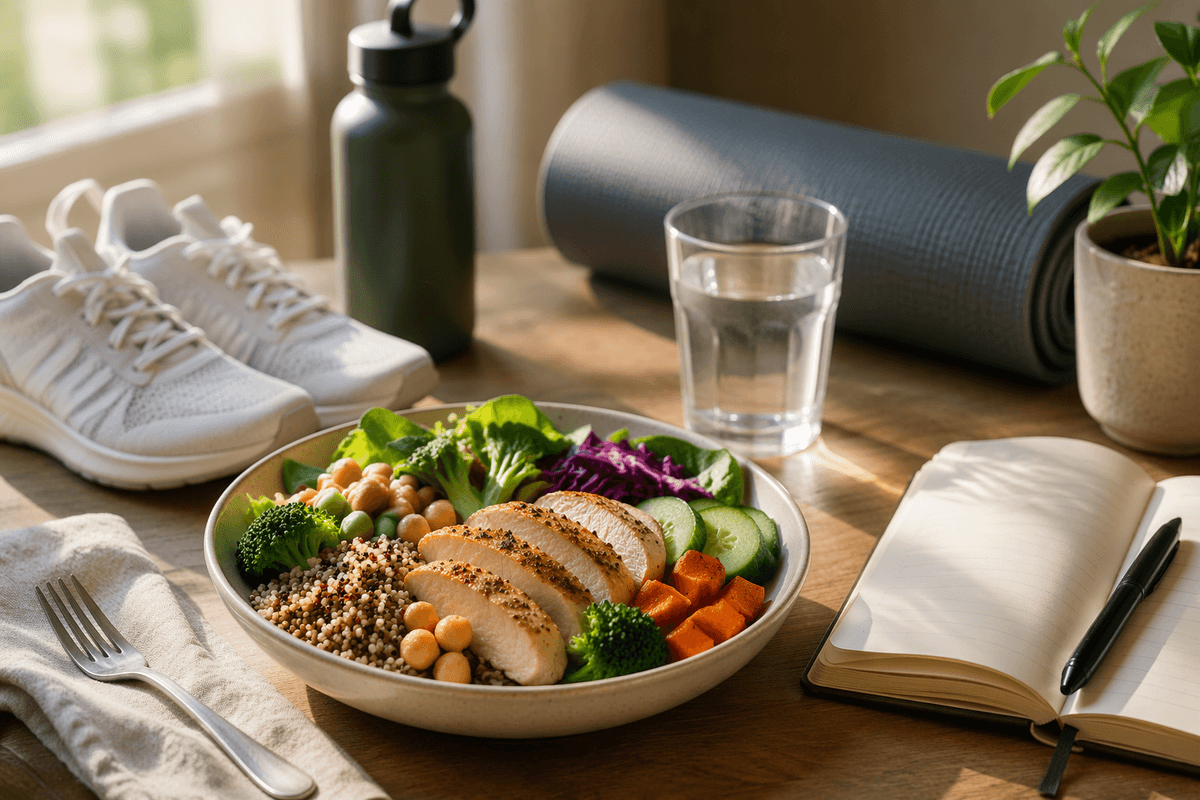
Most people think healthy eating means complex recipes and fancy ingredients. This often discourages them from even trying. But healthy food doesn't have to be difficult, time-consuming, or expensive. Simple meals like grilled chicken with roasted vegetables or a quick bean and veggie stir-fry are well-balanced and don't take hours to prepare.
By specializing in whole-foods, little processing, and minimal seasoning, meals are made nourishing along with being delicious. Gourmet power is unnecessary, as well as exotic ingredients. The best thing is that it should be regularly done at home, and the ingredients used should be carefully considered.
Additional Tips for Healthy Cooking
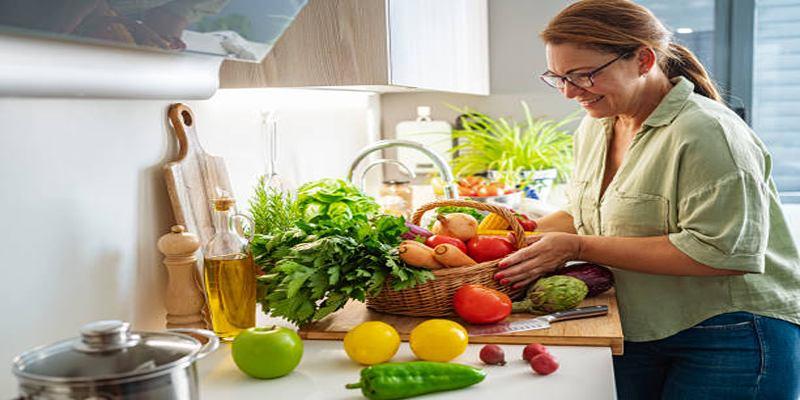
Cooking healthy meals at home can be both enjoyable and rewarding with a few simple strategies. By incorporating practical tips, you can enhance the flavor and nutritional value of your dishes without extra effort.
Plan Ahead
Planning meals for the week helps you avoid last-minute unhealthy choices. Writing a grocery list ensures you buy only what you need, reducing waste and saving money.
Use Proper Cooking Tools
Non-stick pans, steamers, and sharp knives make cooking healthier and easier. Good tools also save time and reduce frustration in the kitchen.
Control Portion Sizes
Even healthy meals can become unhealthy if the portions are too large. Using smaller plates or pre-measuring ingredients helps you stay mindful of how much you eat.
Conclusion
Eating well is not all about the rules and assumptions that one thinks and hears. It is concerned with committed decision-making, implementing basic tricks and getting to know how food functions. Through these seven myths, you are able to make healthy, tasty, and appropriate food that is beneficial to your lifestyle.
When the next time you cook food, you should keep in mind that there is good wisdom in little things. The aspect of healthy cooking is not so much about perfection as much as it is about creating habitual lifelong practices. Once you eliminate myths and all that and concentrate on facts, your kitchen is a confident and happy place.