Most visitors to London and Ireland move fast, chasing sights and snapping pictures. But locals experience these places differently. They don't rush. They stay rooted in small daily habits—morning walks, chats with neighbors, and the same café seat each week. If you shift into their pace, something changes.
Instead of checking off spots, you start noticing details: the way sunlight hits the cobbled street, the rhythm of a market morning, a voice singing somewhere you can't see. This guide isn't for covering ground. It's for finding the ground that locals already know well.
Everyday London: What Locals Actually Do?
Beyond the usual postcard landmarks, London runs on the quiet energy of neighborhoods. Places like Hackney, Tufnell Park, or Queen’s Park are where people live regular days. You'll find corner cafés where the barista remembers your order and parks where families picnic year-round. Local life moves more slowly than it looks on the Tube map.
Southbank draws people, but locals walk there to breathe—not perform. It’s good for evening light and space to think. Borough Market is known, but midweek it returns to something more grounded: butchers chatting with regulars, bakers setting out fresh loaves. Broadway Market and Maltby Street offer the same feel in smaller doses.
London’s green spaces are part of daily life. Hampstead Heath isn’t tidy, and that’s why people love it. You’ll see runners, swimmers in the ponds, and readers on benches. Locals aren’t trying to escape—they’re pausing the city without leaving it.
In the evenings, people stay close to home. Areas like Stoke Newington and Brixton have small music venues, community theatres, and local restaurants that aren’t chasing trends. These aren’t curated experiences; they’re just part of the neighborhood. Locals walk more than visitors think. A 20-minute walk through a park often beats a crowded Tube ride. It’s less efficient, but more enjoyable.
The city feels big, but locals shrink it to their routes: the walk to the market, the same Saturday route along the canal, a shortcut through a back garden gate. Their version of London is built from habit, not highlights.
Ireland at Its Own Pace: More Than Castles and Cliffs
Ireland doesn’t ask for attention. It reveals itself in its own time. Cities like Dublin and Cork are full of things to see, but the real atmosphere lives in the slower places, small towns, villages, and coastal stretches where things don’t change quickly.
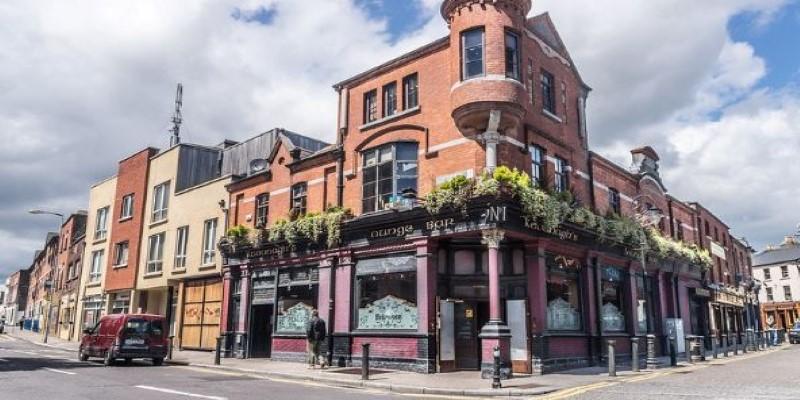
In Dublin, locals tend to avoid the crowded areas. Instead, they walk along the canal or take the DART out to places like Howth or Bray for sea air and quieter views. In neighborhoods like Stoneybatter or Phibsborough, you’ll find secondhand bookshops, local bakeries, and corner shops that still use paper and string.
In Galway, time stretches differently. The streets carry sound—musicians, conversations, footsteps—but none of it feels rushed. Pubs serve as second homes, places for reading, talking, or sitting silently. It's normal to see the same people in the same seats day after day.
Further west, the rhythm drops even more. In Mayo or Kerry, roads are narrow, and fields run to the sea. Dingle, for example, might get visitors, but life there stays grounded. People greet you, not out of politeness, but because it’s the way things are done.
These places aren’t frozen in time. They’re active in their own way. A local match draws more attention than any celebrity. Schools host music nights. Local stores carry more community news than any website. Notice boards are filled with handwritten messages: lost cats, piano lessons, firewood for sale.
The draw of local life in London and Ireland is strong here. It’s not nostalgic—it’s present. It’s a way of being involved, even if you’re only passing through.
Shared Threads: What Connects London and Ireland Locally?
When you step away from the travel guide lens, London and Ireland start to feel connected. Not in looks, but in the way people live and move. In both places, the best parts of local life are often quiet and unspoken.
People in both places walk more than they drive. They take time with meals. They know their bus driver or grocer. Markets are not just for food—they’re weekend anchors, familiar routines. There’s little separation between everyday life and community.
In London, local pride runs deep. Someone in Clapton or Walthamstow will talk about their favorite bakery or shortcut like it’s a secret. That’s not gatekeeping—it’s just affection. In Ireland, small towns carry names like family heirlooms. People ask where you’re from and genuinely listen. Then they tell you where their aunt lives, just in case she’s your neighbor.
Language ties into this, too. In Ireland, Irish is still spoken in many western areas, but even English sounds different—softer, more wrapped in rhythm. In London, accents change every few miles. And still, you find warmth in the small exchanges: a hello at the shop, a shared smile on the bus.
In both places, the idea of local life isn’t about being exclusive. It’s about being known, even a little. It’s a feeling of being noticed without needing to impress.
Small Choices Make the Difference
Traveling like a local isn’t about pretending you live there. It’s about changing the way you see and spend your time. Skip a second landmark for a slow lunch. Say yes to the longer train ride if it leads to a quieter town. Ask for recommendations from people who don’t sell tours. Don’t try to do everything.
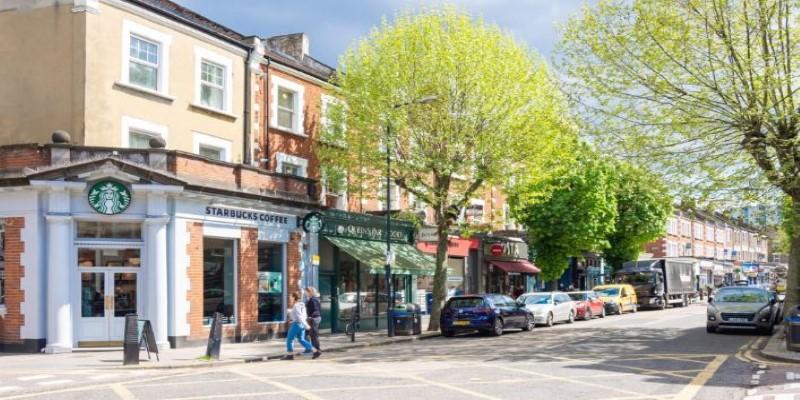
In London, take a few days to stay in a neighborhood with personality—maybe Clapton or Queen's Park—and learn it on foot. In Ireland, rent a car and drive until road signs disappear and sheep outnumber people. Ask questions. Sit still. Try something small. These moments stay with you longer than photos.
Conclusion
You don't need to be from London or Ireland to experience them like a local. You just need to slow down and pay attention. Choose the smaller café, walk the longer path, and have a conversation you don't need to. These are the moments that stay. Not the big scenes, but the small ones—the ones that don’t ask to be noticed, but quietly stay with you long after you leave.