We’ve all been there. You’re sick, but you hesitate to go to the doctor because you know what’s coming next—a fat bill you can’t afford. The idea of paying hundreds, maybe thousands, for a quick visit makes your stomach drop harder than the actual illness. It’s not just frustrating—it’s scary.
The truth? You don’t need health insurance to get decent medical care. You just need to know where to look, what to ask, and how to play the system the smart way.
Facing the Reality — You’re Not Alone
Millions of people in the U.S. live without health insurance. Some lost jobs. Some can’t afford the monthly premiums. Others are self-employed and just trying to stay afloat. You’re not a failure for being here. You’re part of a massive crowd that the system forgot.
The good news is there are real ways to get the help you need. It takes a bit of work, but once you know how to navigate it, you’ll realize you’ve got more control than you think.
Start With What’s Close: Community Clinics and Local Health Programs
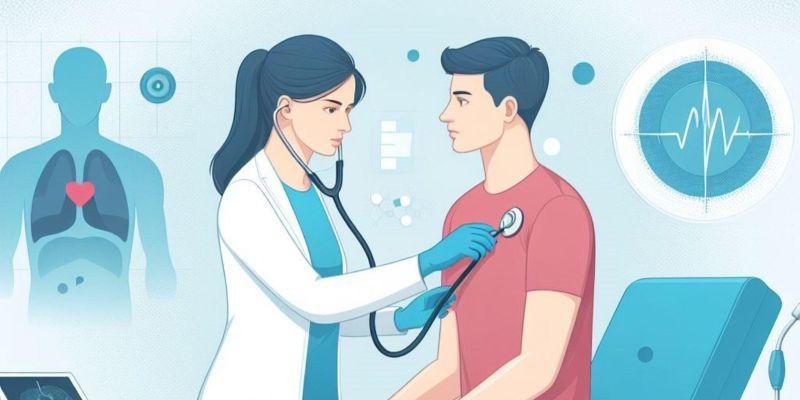
Community clinics are gold. They’re built exactly for situations like this. These places charge on a sliding scale—meaning they adjust prices based on what you earn. Some visits might cost as little as $20, or sometimes even be free.
Look up your nearest Federally Qualified Health Center (FQHC). They’re funded by the government and usually cover everything from checkups to vaccines, lab tests, and even dental care. No one gets turned away because they can’t pay.
Also, don’t forget public health departments. They often have programs for women’s health, STD testing, immunizations, and chronic conditions like diabetes or asthma. The staff gets it—they know most people walking in don’t have insurance.
These clinics are where you’ll find doctors who listen without judging. You’ll wait a bit longer sometimes, sure. But the tradeoff is real care at a fraction of the cost.
Getting Smart About Costs Before You Walk In
The biggest mistake most people make? Walking into a doctor’s office blind. Prices vary wildly from one place to another—even for the same service.
Always ask for the price up front. Seriously. Every time. Most offices have no problem giving you an estimate if you ask. If they don’t, that’s a red flag.
There are sites that show prices for different medical services—try Healthcare Bluebook or Fair Health Consumer. You’ll see average costs for procedures, so you can compare and pick the cheaper option.
And here’s a trick: ask for a “cash discount.” When you pay out of pocket, many clinics cut the price by 20%–60%. Doctors love getting paid right away without dealing with insurance paperwork. Everyone wins.
If you still can’t afford the full amount, ask for a payment plan. Most clinics are open to it. Even $25 a month keeps your balance in good standing.
When You Need Prescriptions But Not the Sticker Shock
Prescription medicines can feel like a scam. One bottle can wipe out your grocery budget. But here’s how to beat the system.
Always ask your doctor for generics. Same ingredients. Same effectiveness. A fraction of the price.
Use apps like GoodRx, ScriptSave WellRx, or SingleCare. They give you instant coupons you can show at the pharmacy counter. It’s not some shady loophole—pharmacies honor them every day.
Also, call around before you buy. Different pharmacies charge different prices for the same meds. A few phone calls can save you $50 easily.
If you’re on a long-term prescription, check for $4 lists at places like Walmart or Kroger. Those programs offer dozens of common medicines at dirt-cheap prices.
And don’t be shy to ask your doctor for samples. Reps drop them off all the time, and most doctors are happy to hand them out if you ask.
The Unsung Heroes: Telehealth and Virtual Clinics
Telehealth is the secret weapon for people without insurance. You can talk to a doctor from your couch for about $40–$75. That’s cheaper than walking into most urgent care clinics.
You can get help for things like infections, rashes, cold symptoms, or mental health sessions. Many telehealth companies even prescribe meds and send them to your pharmacy the same day.
Some good ones to check out are MDLIVE, K Health, or PlushCare. They’re built for convenience—flat rates, no insurance needed.
And if your issue isn’t urgent, some virtual clinics even have subscription-style options for a few bucks a month. It’s great for check-ins, follow-ups, or quick questions you don’t want to ignore.
Hospitals Aren’t Off-Limits — How to Ask for Financial Help
This one’s huge. Most people think hospitals are out of reach if you’re uninsured. Not true.
Every nonprofit hospital (and most private ones) is legally required to offer financial assistance, also known as charity care. That’s not just a nice gesture—it’s the law.
Here’s how it works: if your income falls under a certain level, the hospital can reduce your bill or even erase it completely. But you have to ask. They won’t volunteer that info.
When you get your bill, call the hospital’s billing department and ask for a “charity care” or “financial assistance” application. You’ll fill out a short form and submit proof of income, like a pay stub or tax return.
Once approved, your entire balance or a big chunk of it can disappear. Don’t wait too long to apply, though—some hospitals have deadlines.
And if you've already been hit with a bill, ask to set up an interest-free payment plan. Hospitals prefer small payments over chasing collections.
Get Help From Medical Bill Advocates
If your hospital bill looks like a puzzle, you’re not crazy. Medical bills are full of errors. Studies show most have mistakes—wrong codes, double charges, inflated rates.
That’s where medical billing advocates come in. They review your bill line by line, spot errors, and negotiate for you. Some charge a flat fee, others take a percentage of what they save you.
Search for local billing advocates or nonprofits that offer this service. You can also try sites like ClaimMedic or Resolve. They handle the hard conversations and usually get results fast.
When It’s an Emergency
Let’s be real—sometimes you can’t plan ahead. If it’s a true emergency, go to the ER. Hospitals can’t legally turn you away for being uninsured. The key is what you do after.
Once you’re stable, tell them upfront that you’re uninsured and need to apply for financial help. Don’t ignore the bill that comes later—call and explain your situation right away. You’d be surprised how often they’ll work with you if you show initiative.
Small Steps Toward a Healthier, More Affordable Future
You don’t have to correct everything overnight. Begin little.
Create a list of local clinics, telehealth platforms, and pharmacies with reasonable rates. Have it on hand.
Prevent. Diet better. Exercise more. Rest better. The fewer times you get sick, the fewer dollars you will spend.
Also, look at your state's site under low-income healthcare programs. You may be eligible for Medicaid or state-funded care without knowing it.
If you have children, there are plans such as CHIP (Children’s Health Insurance Program) which include coverage for visits with the doctor, vaccinations, and emergencies for no cost or low cost.
Bottom Line — You’ve Got Options
Not being covered doesn’t have to ruin your life. You just need the know-how on how to manipulate the system on your behalf. Community clinics. Cash discounts. Generics. Telehealth. Charity care.
There are ways to get good care if you know who to turn to and what to inquire about.
So the next time you're under the weather, don't be afraid that a bill is going to ruin things; get some assistance. You've got tools. You've got choices. And you've got more control in this system than you know.